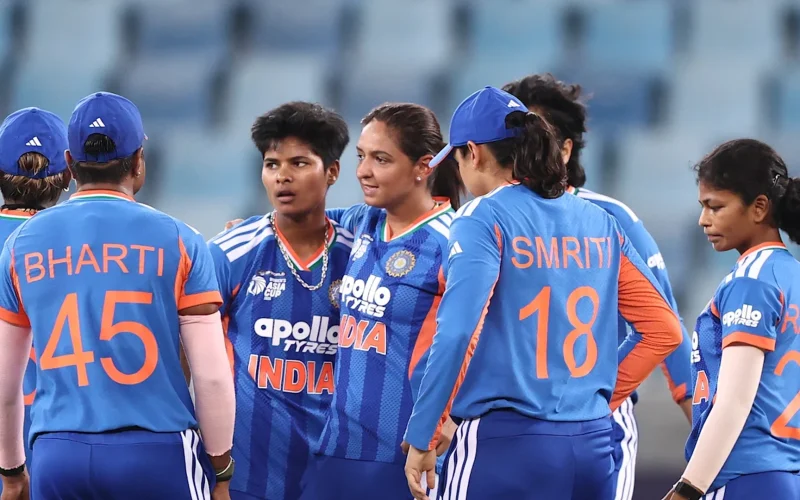
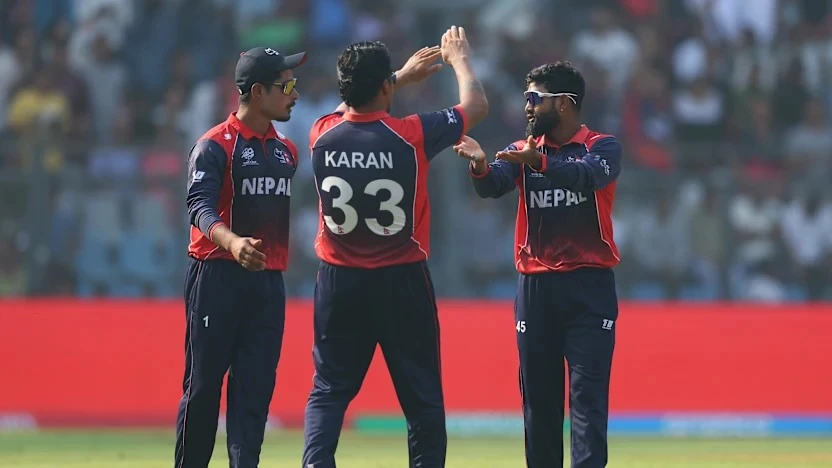
Seven men’s cricket teams have confirmed player lists for the 2026 Asian Games tournament in Japan, which is scheduled from 24 September to 3 October. The ICC announcement includes Afghanistan, Bangladesh, India, Japan, Nepal, Oman and Pakistan. Hong Kong and Malaysia had not supplied complete lists when the announcement was published. Older selections must not be used to fill those gaps because availability, eligibility and team plans can change between competitions.
A player list is a planning document, not a starting eleven
Each country names a group large enough to cover form, conditions and possible injuries. A place in that group does not guarantee selection in every match, and roles may change after training in Japan. Captains and coaches will consider the order of players at bat, the available bowling styles and the defensive balance for each opponent. A report should not convert the full list into a confirmed starting lineup. The final eleven is normally declared closer to the pre-match coin toss under the competition procedure.
A short tournament rewards clear roles
The event lasts from 24 September to 3 October, leaving little time to correct confusion. Players near the beginning of the scoring order must know whether to attack immediately or protect the team against a particular opponent. Teammates who both score and deliver the ball need a clear task for each phase. A group with famous names can still struggle if too many players require the same position. Balance is more useful than counting reputations, especially when matches follow each other quickly.
| Tournament | Men’s cricket at the 2026 Asian Games |
|---|---|
| Dates | 24 September to 3 October |
| The event takes place in | Japan |
| Confirmed player lists | Afghanistan, Bangladesh, India, Japan, Nepal, Oman and Pakistan |
| Player lists not yet confirmed | Hong Kong and Malaysia |
Japan’s home team receives a different opportunity
Japan enter with knowledge of local travel, practice facilities and daily conditions. Visiting teams may have greater experience in large televised competitions, but home familiarity can reduce uncertainty during preparation. Japan can use the event to test its players against several strong Asian systems in a compact period. Opponents should still prepare seriously because an unfamiliar lineup can punish a slow start. Home status does not remove a technical gap, but it can help a team use its preparation time more efficiently.
Missing player lists must remain unconfirmed
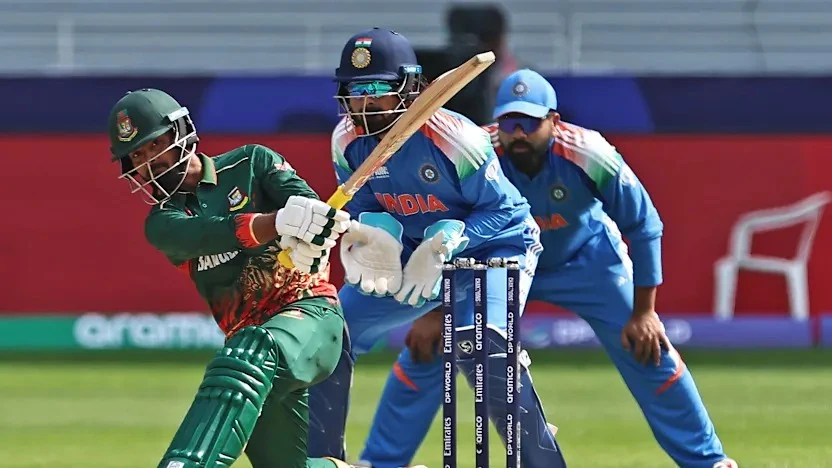
The ICC page identified Hong Kong and Malaysia as teams whose complete groups were still to be announced. Copying names from another competition could include injured, unavailable or ineligible players. The correct approach is to preserve the unconfirmed status and update the article only after an official notice. This distinction matters in a multi-sport event because accreditation deadlines and decisions by national Olympic committees can affect the travelling group. A blank space is more accurate than a confident guess.
Workload decisions begin before the first match
Some players may arrive after domestic or international commitments. Coaches need to assess travel, recovery and the recent workload of the bowlers before selecting the first eleven. Fast bowlers cannot be treated as interchangeable simply because the match format is short. Players responsible for scoring also need time to adjust to speed and bounce. A strong group protects its main skills while keeping alternatives for consecutive match days, minor injuries and unexpected conditions.
The confirmed lists allow a careful first comparison
With seven groups available, readers can compare role coverage without declaring a winner. One country may have more players who turn the ball, another may carry extra powerful scorers, and a third may prefer teammates who can perform both major roles. These differences become meaningful only when the schedule and local conditions are clear. A responsible preview records what each country has officially announced, separates missing information and leaves the final lineup open until the teams confirm it.
The next official updates should be handled as revisions, not silent replacements. When Hong Kong or Malaysia publish their squads, the date and source need to be recorded. The same applies to any injury replacement in an already named team. Readers can then distinguish the original selection from the travelling group. This is especially useful when several national bodies use different announcement times. A transparent roster history prevents an unavailable player from remaining in a preview and avoids presenting a late replacement as an original choice.