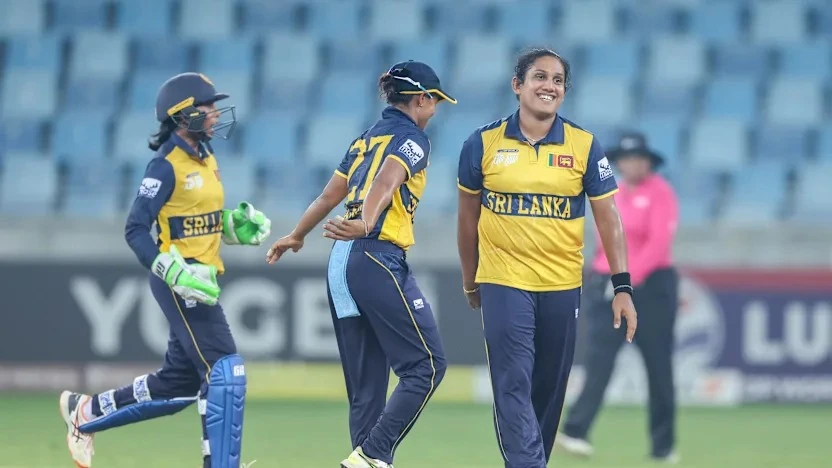
Sri Lanka had 62 on the scoreboard when its sixth player went out, but the total later reached 124 before a seventh player went out. Nilakshika Silva added 50 while facing 35 balls and gave her team enough to defend. Captain Chamari Athapaththu then delivered 21 balls. During that sequence, seven Indonesia players went out and Indonesia added only five to its score. Three players went out on three balls in a row. Indonesia had nobody left to bat when its score reached 49. Sri Lanka won, and the difference between the final scores was 75.
Silva rebuilt Sri Lanka’s scoring effort
Sri Lanka had only 62 on the scoreboard when its sixth player went out. Nilakshika Silva did not try to erase the damage with one reckless attack. She chose the right balls for high-value shots, used open areas and kept the remaining partners involved. Her contribution of 50 while facing 35 balls nearly doubled the team’s position from its most difficult point. The recovery lifted the final total to 124 and gave Sri Lanka something meaningful to defend before Chamari Athapaththu began her sequence.
Athapaththu attacked without giving away easy points
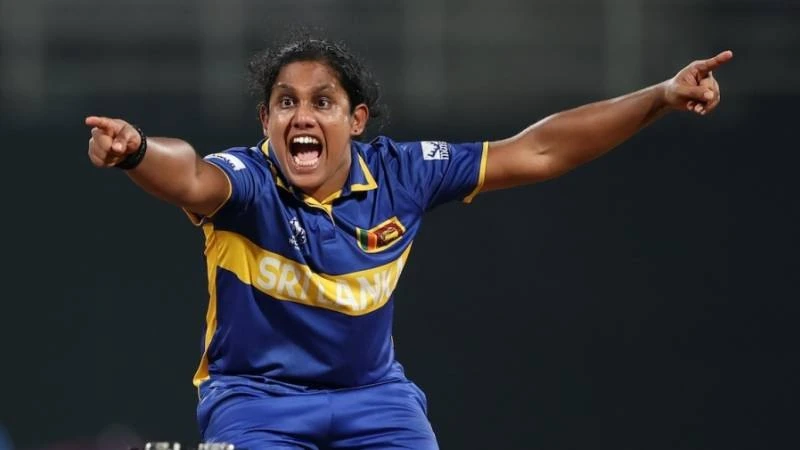
Seven Indonesia players went out during Athapaththu’s 21 balls, while the team added only five to its score. That return combined a constant threat with almost no relief. Indonesia could not wait for an easier ball because the target still required progress, and each new player entered a rapidly worsening situation. Athapaththu aimed at areas that demanded a decision and allowed the surrounding defence to support her plan. Three players went out on three balls in a row, but control across the full sequence made that moment possible.
| Team or player | Confirmed information |
|---|---|
| Sri Lanka | Final score 124; seven players out |
| Nilakshika Silva | Added 50 while facing 35 balls |
| Indonesia | Final score 49; all players out |
| Chamari Athapaththu | 21 balls; seven opponents out; only five added to Indonesia’s score |
| Difference between final scores | 75 in Sri Lanka’s favour |
The individual record needs the match context
The ICC described Athapaththu’s figures as the fifth best such result in women’s T20 internationals. It was only the sixth time that one player had sent seven or more opponents out in this format. Those rankings show how rare the performance was, but they should not hide the earlier repair. Sri Lanka first needed Silva and the remaining partners to build a total after six players had left. Athapaththu then received a score to defend and attacking positions around the player at bat. Both parts belong in the explanation of the victory.
Indonesia faced pressure from the target and repeated exits
A target of 125 was demanding but not impossible at the beginning. The situation changed when several players went out in a short period. New arrivals had little time to understand Athapaththu’s direction and speed, while attempts to release the pressure created more chances for Sri Lanka. Indonesia’s final total of 49 reflects that cycle. Future improvement begins with protecting one partnership through the most dangerous sequence and taking low-risk points when a high-value shot is not available.
Sri Lanka earned a second group victory
The win was Sri Lanka’s second in the group stage and strengthened its tournament position. It also exposed an early scoring problem that stronger opponents could exploit. The final difference of 75 should not hide the moment when Sri Lanka had only 62 with six players already out. The team can celebrate an elite performance with the ball while still reviewing shot selection and partnership management. Tournament progress becomes safer when a side can win without depending on a record individual return every time.
A clear chronology protects the meaning
The order is simple: Sri Lanka lost six players early, Silva added 50, the team finished on 124, and Athapaththu then sent seven Indonesia players out. Indonesia had nobody left to bat when its score reached 49. Mixing those figures or suggesting that Athapaththu’s work repaired Sri Lanka’s first scoring phase would break the logic. Each number has one purpose: a team score, an individual contribution, the number of opponents sent out or the difference between the final totals.
Sri Lanka’s strongest conclusion combines both parts of the match. Silva showed how to rebuild the score without losing all momentum, and Athapaththu showed how pressure can force opponents out once a target exists. The remaining partners also had to stay with Silva long enough for the recovery to work. Against a deeper team, the same early collapse may not be repairable, and the captain may not receive seven chances. The repeatable lesson is to protect partnerships, create a defendable score and connect every ball to the surrounding defensive plan. Indonesia can also take a practical lesson from the collapse: one partnership that stays together through Athapaththu’s most dangerous sequence can change the reply, even if the required scoring rate rises slightly.