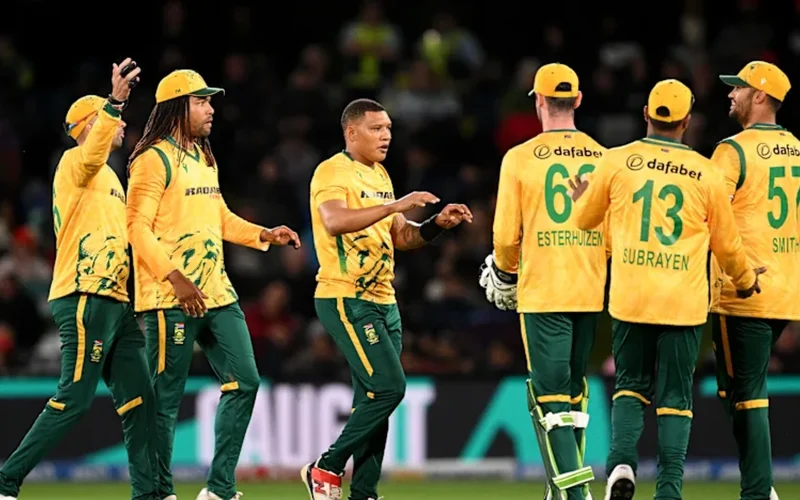
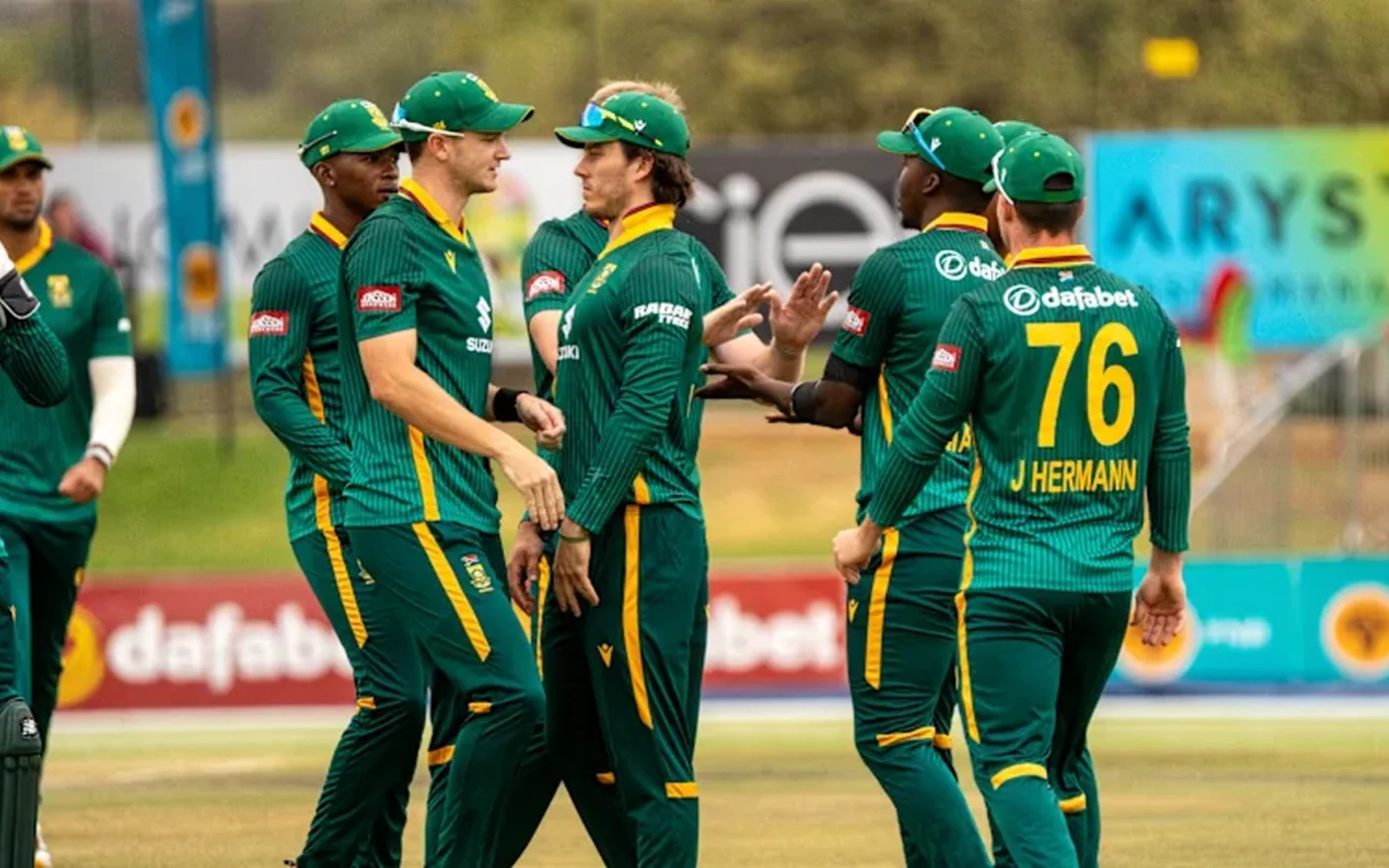
South Africa reached Namibia’s target after losing only one batter and completed a 3-0 ODI series victory. Bjorn Fortuin led the bowling effort before Jordan Hermann and Connor Esterhuizen controlled the chase.
Fortuin leads a controlled attack
Namibia batted first at the Namibia Cricket Ground and scored 156 before their innings ended. Stand-in captain Fortuin removed four batters while allowing only 33 runs. His work limited the home side’s chance to establish a total that could place sustained pressure on the chase.
Kwena Maphaka and Nqabayomzi Peter also removed two players each. The attack therefore did not depend on Fortuin alone, even though his return was the strongest. Pressure from several bowlers made it harder for Namibia to find a stable partnership or reserve a strong scoring push for the closing overs.
Hermann sets the pace of the chase
Hermann scored 77 and gave South Africa a fast route toward the target. His innings reduced the time Namibia had available to create pressure. A modest chase can still become difficult after several early losses, but Hermann prevented that pattern from developing.
His scoring was supported at the other end. Esterhuizen remained unbeaten with 68, providing a stable partner while keeping the required pace comfortable. Together they removed the need for the lower order to solve the chase and gave the finish a clear, controlled shape.
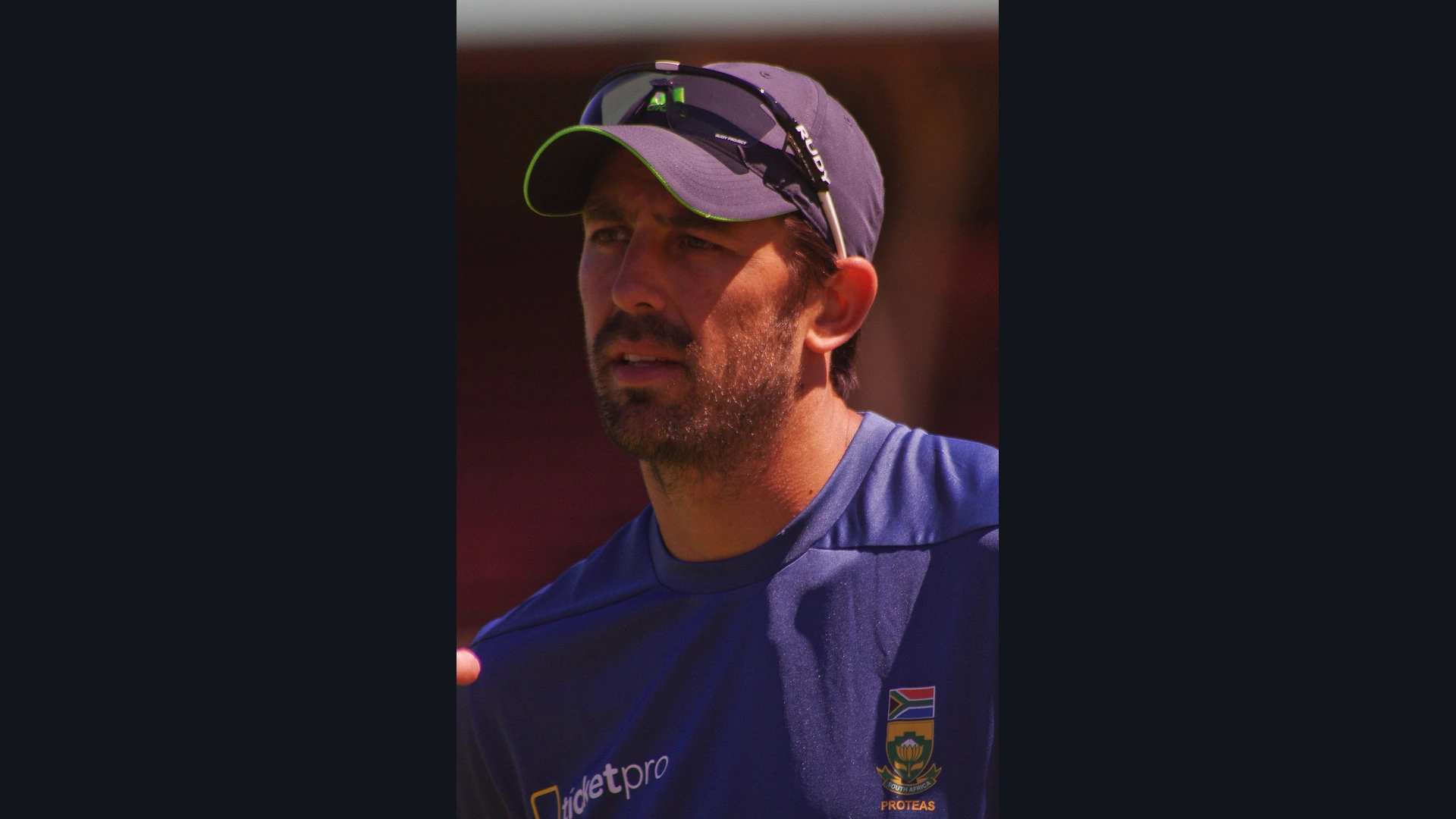
The chase ends with plenty of time remaining
South Africa reached the target after losing only one batter and with plenty of overs remaining. That margin shows how firmly the batting pair controlled the required rate. The result was comprehensive without needing a dense list of every scoring detail.
A quick chase also depends on selecting low-risk opportunities. Hermann could attack because Esterhuizen maintained support, while Esterhuizen did not need to match every burst shot for shot. Their different scoring rhythms worked toward the same target and denied Namibia the sequence of quiet overs needed to change the match.
Three wins complete the first bilateral series
The final result gave South Africa a 3-0 sweep. The visitors won the first two matches by clear margins before ending the series with a controlled chase. The sequence shows success while defending a total and while pursuing one.
This was the first bilateral ODI series between South Africa and Namibia. It was also Namibia’s first bilateral 50-over series against a full-member nation. Those facts give the occasion lasting importance even though the home team did not win a match. The series created three completed games at a level Namibia wants to face more often.
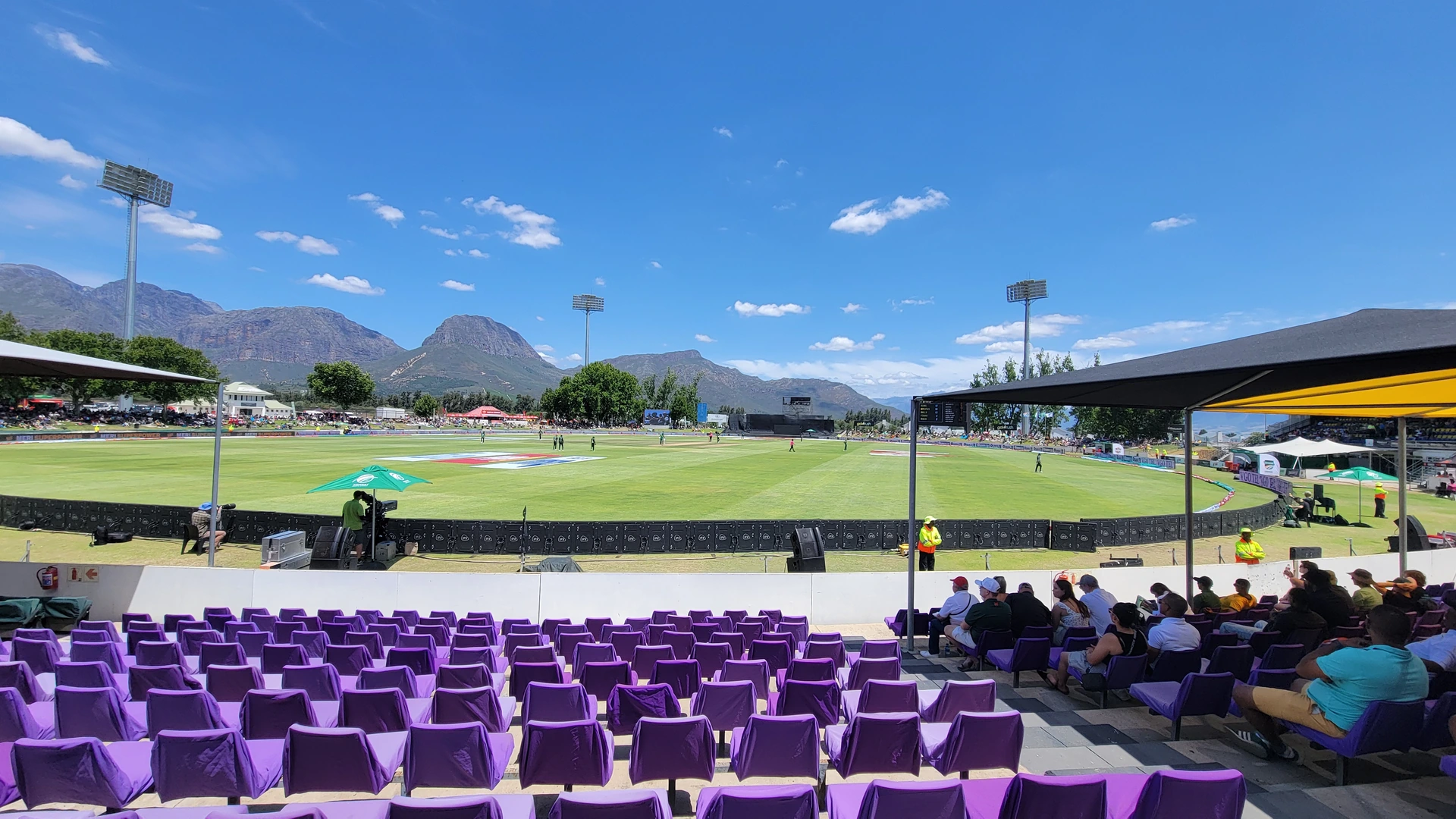
Hermann’s full series earns recognition
Hermann led the run scoring across the three matches and received the player of the series award. His contribution in the final therefore continued a productive campaign rather than standing alone. Consistent top-order batting helped South Africa control the shape of the contest across the tour.
Esterhuizen was another strong batting presence, while Namibia’s Ruben Trumpelmann led the overall bowling list. Duan Jansen also contributed before being rested for the final. These performances show useful individual work on both sides of the final team result.
Namibia gain demanding home evidence
A winless series is disappointing for Namibia, but the matches identified specific demands against a strong touring group. The home side saw how quickly a modest total can be chased and how difficult recovery becomes when several batters are removed before a stable platform is formed.
That evidence is practical if it leads to clearer roles and better decisions in later camps. It should not be softened into a claim that results did not matter. South Africa were plainly superior across the three games. Namibia’s task is to use the experience while recognizing the size of the improvement required.
Local experience feeds 2027 planning
South Africa and Namibia are both due to co-host the 2027 World Cup with Zimbabwe. This series gave players recent ODI experience in Namibia and allowed developing South African options to perform in regional conditions. It was preparation through competition, not a rehearsal with guaranteed future roles.
The World Cup squads and matchups will be decided later. What is complete now is the bilateral series: South Africa won all three games, with Fortuin, Hermann and Esterhuizen central to the final victory. That record can inform later selection without turning recent form into a promise about next year’s tournament.