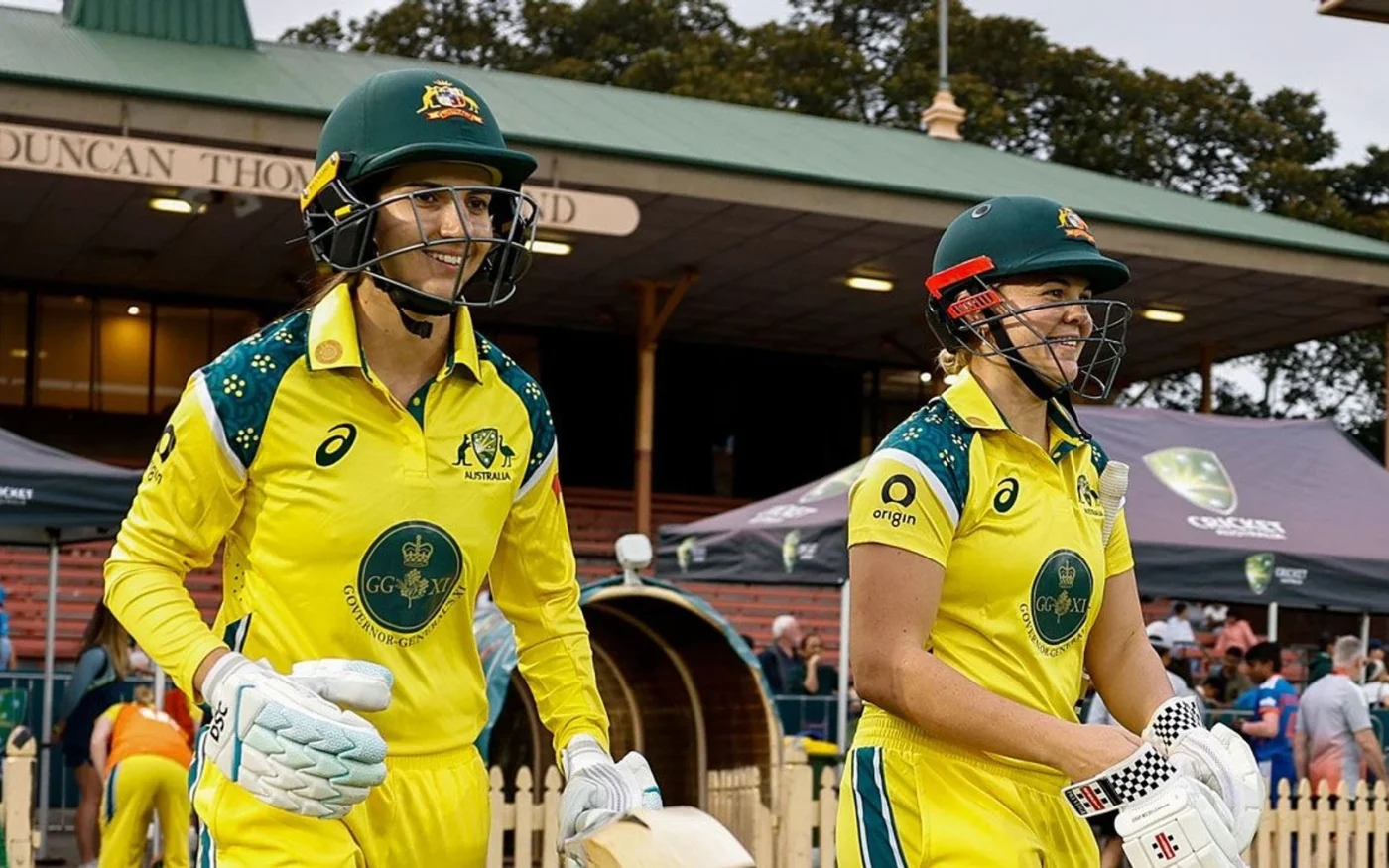
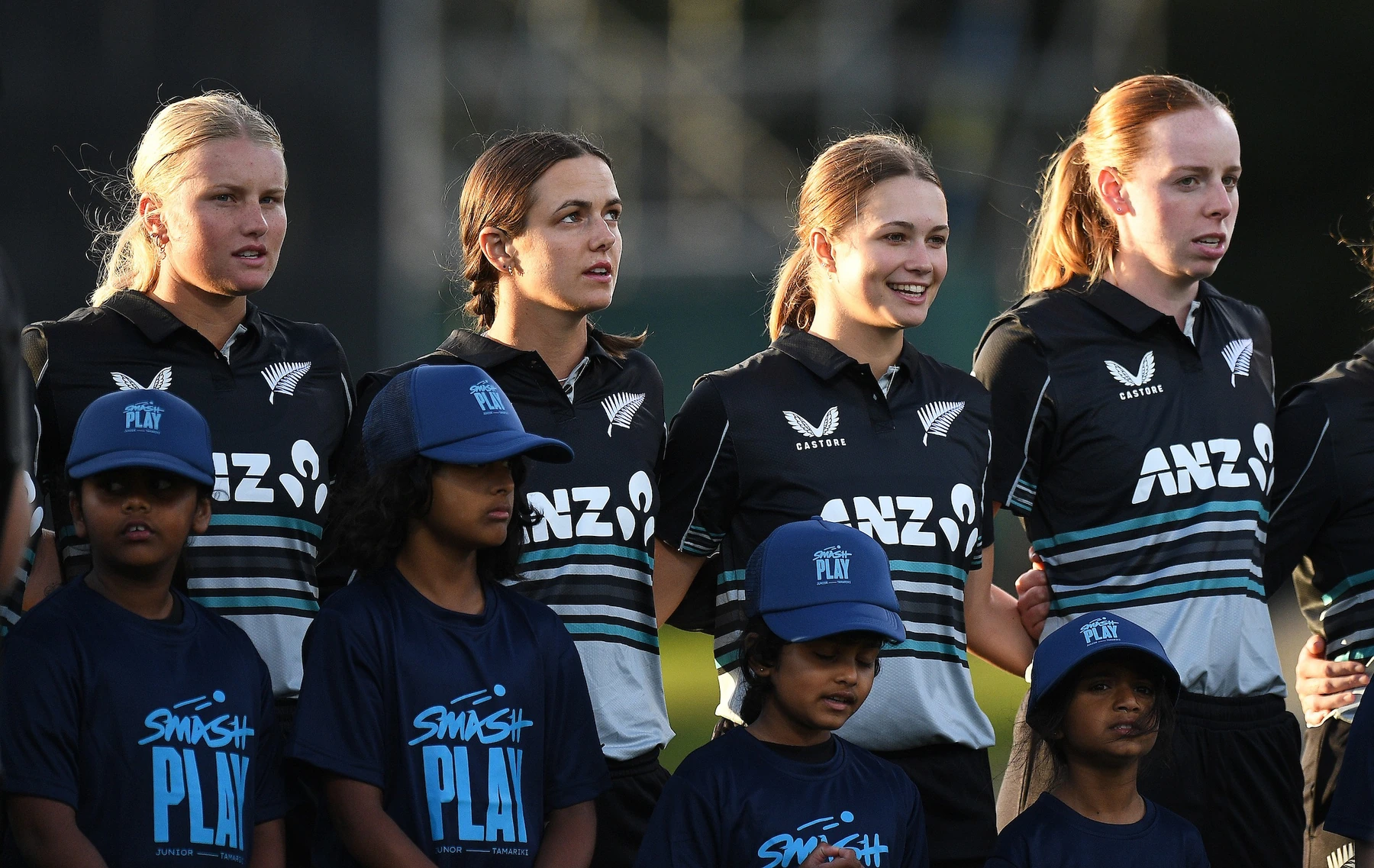
New Zealand’s women will play the Governor-General’s XI at North Sydney Oval on October 15 before a three-match T20 international series against Australia. Amelia Kerr will lead a White Ferns squad entering its first period after the retirements of Sophie Devine, Suzie Bates and Lea Tahuhu. The Australian invitational team will combine developing and experienced players and will include Australian Defence Force member Meera Hyderabad, who can bowl and add useful runs. Entry to the warm-up is free, and the match will be broadcast live.
The match starts a new phase for New Zealand
Devine, Bates and Tahuhu provided leadership, reliable batting, effective bowling and long experience across different conditions. Their retirements do not require three new players to copy them. New Zealand needs to divide those responsibilities through the group. Kerr can set the tactical direction as captain, while other players take ownership of specific batting and bowling periods. The warm-up gives the team a chance to test that distribution before an official series. Each newcomer needs a clear role instead of being asked to replace everything an experienced player provided.
North Sydney creates useful continuity
The warm-up and first T20 international will be played at the same ground. New Zealand can learn the field dimensions, wind, surface pace and the areas where fielders lose sight of a high ball. Australia will still present a different level and attack, so the visitors cannot assume a successful warm-up plan will transfer unchanged. The value lies in removing venue uncertainty. Training can then focus on opponent-specific choices rather than spending the first official match discovering basic conditions.
| Match | Date | Venue |
|---|---|---|
| Governor-General’s XI vs New Zealand | October 15 | North Sydney Oval |
| Australia vs New Zealand, T20I 1 | October 18 | North Sydney Oval |
| T20I 2 | October 20 | North Sydney Oval |
| T20I 3 | October 22 | North Sydney Oval |
The invitational side mixes experience and opportunity
Cricket Australia will confirm the complete Governor-General’s XI closer to the match. The selection is expected to include established domestic players and developing talent. That combination gives New Zealand a serious contest and allows Australian selectors to observe players in an international setting. The invitational team still needs a balanced group of bowlers and a clear batting order. It will become a useful opponent when every player knows who bowls at the start, through the middle and at the end of the innings.
Meera Hyderabad continues a match tradition
The Governor-General’s XI traditionally includes a representative of the Australian Defence Force. Artillery officer Meera Hyderabad, a bowler who can also score useful runs late in an innings, has been confirmed for this season. Her inclusion connects the fixture with its ceremonial identity while preserving a sporting role inside the team. Selection does not remove competitive responsibility. She will need accurate bowling, clear communication and good shot selection. Her final duties will depend on the full squad.
The Spring Challenge will bring many players to Sydney
The fixture overlaps with the domestic T20 Spring Challenge, which brings all eight WBBL clubs and the ACT together before the main league. That timing means many contracted Australian players will already be in Sydney and available for observation. It also requires careful workload management. A player involved in several matches needs a clear rest plan and should not be selected only because travel is convenient. The warm-up works best when the selected players are both available and ready to compete.
Bangladesh also receives a separate warm-up
Bangladesh will meet a Queensland XI on October 6 before three one-day internationals against Australia at Allan Border Field. That match is part of the same preparation announcement but follows a different format and city. The ODI series begins on October 9 and continues on October 11 and 14. Keeping the two programs separate avoids confusion: Bangladesh prepares for one-day cricket in Queensland, while New Zealand uses the Sydney match before a T20 series.
A warm-up should answer a short list of questions
New Zealand can use the game to select an opening pair, assign bowlers for the opening phase and choose the order of the late batters rather than trying every possible combination. The Governor-General’s XI can test how developing players respond to Kerr’s bowling and the speed of international fielding. Because the result carries no series points, both teams can judge success through execution. The review after the match should examine whether players followed their roles under pressure and what must change before the next contest.