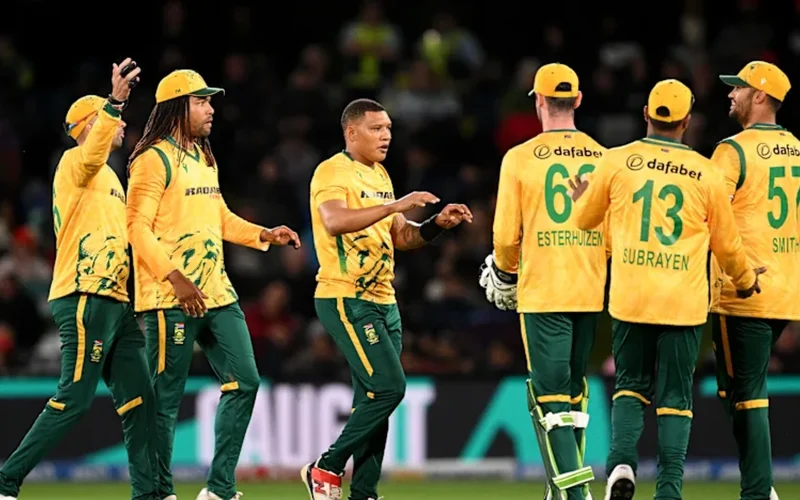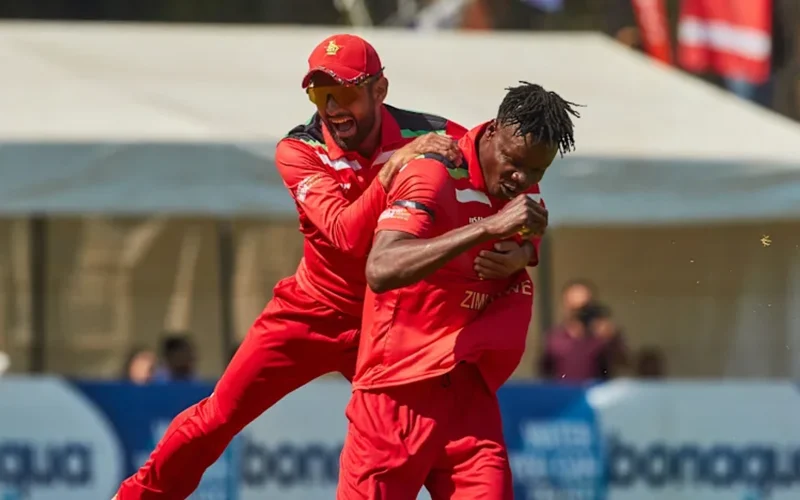

Nathan Ellis views Australia’s upcoming ODI tours of Zimbabwe and South Africa as an opportunity to learn before the 2027 World Cup. The fast bowler is also competing for a place in the eventual tournament squad.
Six matches create a useful runway
Australia are due to play three ODIs against Zimbabwe in Harare before moving to South Africa for three more. Ellis has described the six matches as a chance for the team to gather information about which methods work in the region.
The sequence offers more than isolated match practice. Zimbabwe and South Africa will help host the 2027 World Cup, along with Namibia, so Australia can observe how pitches, weather and travel affect their plans. The upcoming games will not reproduce every future condition, but they provide direct experience in two host countries.
Ellis has a personal selection aim
The wider team project sits beside a clear personal objective. Ellis wants to be part of the group chosen for the World Cup. The final squad is still a future decision, which means these tours are an opportunity to present his skills in the ODI side rather than proof that his place is secure.
He missed Australia’s previous World Cup victory because of injury and has remained involved in the country’s limited-overs plans since then. That history gives his ambition a direct context. He is not speaking about an automatic return to a former tournament role; he is trying to earn selection for a new event.

Variation supports several phases
Ellis can change his pace and is used both with the new ball and near the end of an innings. Those assignments demand different forms of control. Early movement may reward a fuller line, while the closing overs can require slower deliveries, accurate length and a clear response to batters seeking quick runs.
A six-match trip gives selectors repeated chances to see where those variations fit. One spell may ask Ellis to attack, another to reduce scoring, and another to close an innings after other bowlers have set the position. Role clarity matters because a useful performance cannot always be understood from a single total.
Zimbabwe offer an immediate challenge
Australia’s first task is the three-match Zimbabwe series at Harare Sports Club. Ellis has recent experience of the opponent after Australia lost to Zimbabwe at the latest T20 World Cup. The format now changes from T20 to the longer one-day game.
That recent defeat can sharpen attention, but it does not decide the ODI series in advance. Australia must assess the current Zimbabwe side, the Harare surface and the demands of a full innings. Ellis and the other bowlers will need plans that can remain effective after batters have had time to settle.

South Africa changes the next test
The second series is scheduled across Durban, Johannesburg and Potchefstroom. Moving between three cities creates a different rhythm from playing all three Zimbabwe matches in Harare. Preparation must include travel and recovery as well as technical adjustment.
Australia’s available group also changes for that leg, with Pat Cummins and Mitchell Starc listed for South Africa only. Their presence can alter pace combinations and individual assignments. Ellis therefore has to show that his methods complement different partners, not only that they work in one fixed attack.
Information matters more than imitation
The 2027 event remains far enough away for teams to learn without pretending the final plan is settled. Australia can record which lengths produce difficult strokes, how quickly players recover between matches and which batting or bowling combinations remain balanced in local conditions.
They should not assume that a tour pitch will behave exactly like a World Cup pitch one year later. The value lies in patterns and adaptable experience. Ellis’s changes of pace are a good example: the team can learn when each option is effective while preserving the freedom to revise it for another venue or opponent.
The first result is still ahead
Australia’s Africa ODI program has not begun, so neither Ellis’s performance nor the series outcome should be written as complete. What is established is his place in the touring group and his intention to use the matches as World Cup preparation.
Selection for 2027 will depend on a longer body of evidence, availability and the balance required by Australia. These six games can add meaningful information to that process. They cannot finish it. Ellis’s immediate job is to prepare for Harare and make each assigned spell useful to the team in the match being played now.