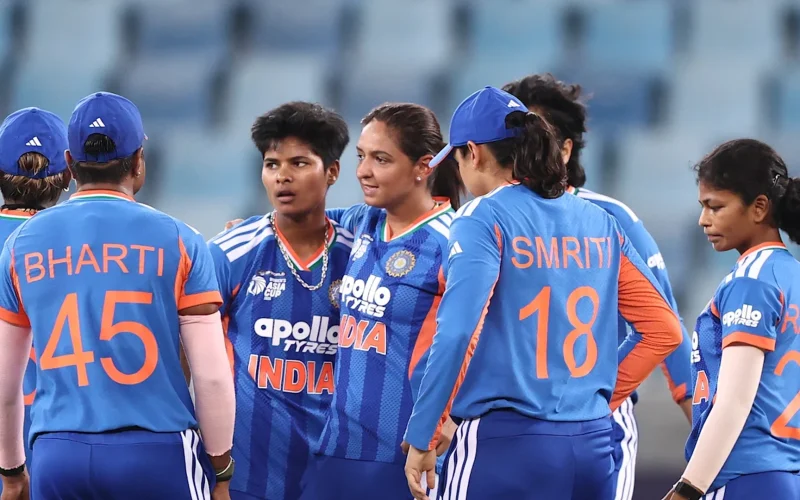
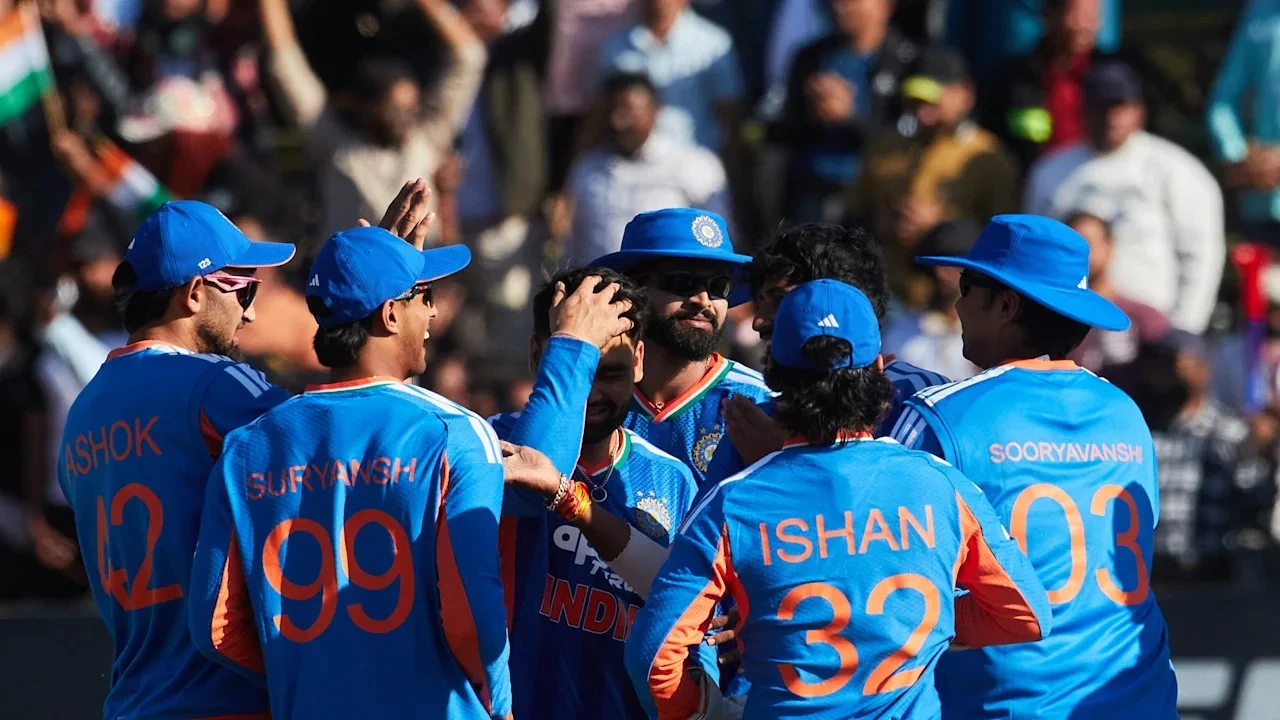
India and Japan will meet in a men’s T20 international for the first time at Sano International Cricket Ground on 22 September. The Japan Cricket Association and the Board of Control for Cricket in India confirmed the match as preparation for the Asian Games. Japan will begin that tournament in the group stage, while India will enter at the quarterfinal stage. The visit also takes the reigning world champions to a new bilateral destination.
The first meeting has sporting and development value
Japan receive a direct contest against the reigning world champions rather than only a training session or exhibition. That gives local players evidence about speed, fielding pressure and decision time at the highest level. India gain a competitive stop in the host country before the Asian Games. The difference in experience is clear, but it does not remove the value of the match. Each side can use the same event for a different preparation goal.
Sano becomes part of the international map
The match will be staged at Sano International Cricket Ground in Tochigi Prefecture. A major visiting team brings attention to the venue, local organizers and the pathway around Japanese cricket. The practical standard matters as much as publicity: teams need suitable practice, a reliable playing surface and clear arrangements for supporters. A successful event can make future international scheduling easier because associations gain recent evidence that the venue can handle the operational demands.
| Match item | Confirmed detail |
|---|---|
| Teams | India and Japan |
| Date | 22 September |
| Venue | Sano International Cricket Ground |
| Location | Tochigi Prefecture, Japan |
| Purpose | Preparation before the Asian Games |
Japan can measure specific phases instead of only the final result
A match against India may produce a difficult scoreboard for the hosts, but preparation becomes useful when the targets are narrower. Japan can evaluate the opening partnership, defensive organization after losing a player and accuracy during the final sets of six balls. Fielders can study whether they communicate quickly enough under pressure. Those measures remain valuable regardless of the winner and turn a historic occasion into a genuine step in the team’s development.
India need to respect an unfamiliar opponent
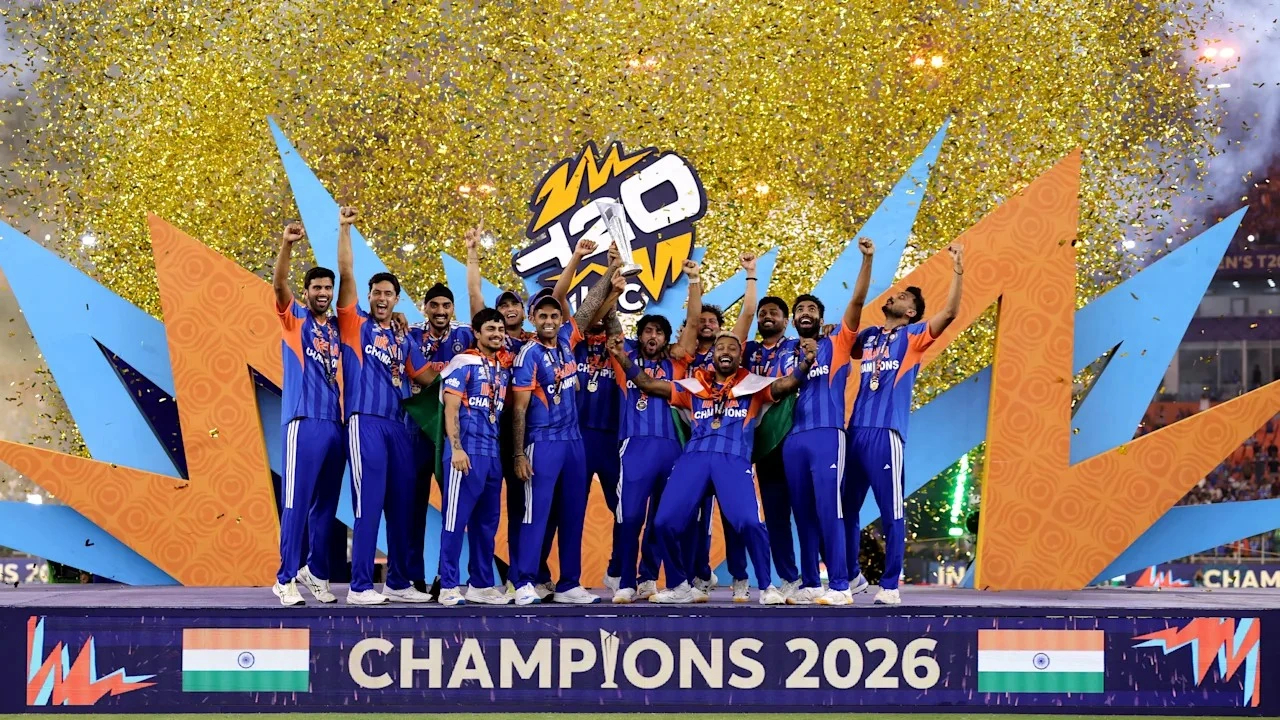
India will arrive with greater depth and recent championship success. That status creates a reason for disciplined preparation, not a reason to treat the game as automatic. Japanese players may present less familiar release points, batting patterns and field positions. India can use the match to test role clarity and adaptation without turning every experiment into a careless risk. A strong favorite confirms its level by applying standards from the first ball, even when the opponent lacks the same international record.
The Asian Games routes are different
Japan enter the group phase, while India begin in the quarterfinals. Japan therefore need combinations that can function across several early matches. India have less time inside the tournament to correct a poor start. The Sano meeting gives both teams one shared preparation point before those routes separate. Coaches can examine the same conditions while asking different questions about rotation, recovery and the balance between established players and alternatives.
A short format keeps the event accessible
A T20 international fits a single session and gives new spectators a clear sequence from opening phase to finish. The format can support the aim of reaching a wider audience in Japan and East Asia. Accessibility should not come at the cost of explanation. Venue information, ticket rules and simple guides to the match structure can help first-time viewers. The official associations should remain the source for those details when they are released.
The Olympic pathway adds wider context
Cricket’s presence at the Asian Games forms part of a broader international expansion before the sport’s return to the Olympic program. India versus Japan demonstrates how an established leading nation can meet a developing host in an official match. One fixture will not transform the sport across a region. It can, however, give players, organizers and supporters a visible event around which longer coaching and participation programs can be built.
Only confirmed details should be treated as fixed
The teams, date, venue and purpose are official. Starting lineups, the exact order and local event information require later announcements. A preview should not fill those gaps with players from an older squad. Injuries and Asian Games selection decisions can change the available group. The complete current story is already significant: India will play Japan for the first time in a men’s T20 international, and Sano will host the meeting before the continental tournament.
The event can leave a practical legacy in Japan
The value of the first meeting should continue after the teams leave Sano. Local coaches can use the match to show young players how international teams prepare, communicate and adjust field positions. Organizers can record what worked in transport, supporter access and practice arrangements. Those lessons make the occasion more than a single headline. They give Japanese cricket a recent model for hosting another official international match.